We are very pleased to have a detailed report on this conference from Amy Lee and Radika Barber, Solicitors at Irwin Mitchell (below) – which provides links to the presentations and posters which are available and can be downloaded.
This event brought together professionals, survivors, and advocates to share lived experiences and discuss shaping Brain Injury Care.
Sarah Griggs, Chair of ABIL, welcomed attendees and outlined the theme of the day which would be a mixture of presentations from both professionals and those with lived experience, as well as a poster session introduced with ‘lightning talks’.
Specialist Nursing: The Role and Its Impact
Molly Hilling, Lead TBI Nurse at Royal London Hospital, delivered a presentation on the unique role of specialist nurses in brain injury rehabilitation. She highlighted the importance of continuity, advocacy, and communication for patients and families. Specialist nurses often act as surrogate relatives, providing both clinical expertise and emotional support, especially in the absence of family. Molly emphasised the need for equitable access to services, noting disparities based on geography, socio-economic status, and cultural or language barriers. Her dedication was recognised by attendees, with one sharing a personal story of the support received from Molly during their recovery.
Molly’s presentation can be downloaded HERE
Lived Experience: Voices from the Community
A powerful session featured five speakers sharing their journeys with acquired brain injury (ABI):
- Laura Boubert (chartered psychologist, principal lecturer, University of Westminster) discussed the value of involving those with lived experience in education, research, and service development, including podcasts and training for professionals. Laura’s presentation can be downloaded HERE. And the associated poster of her student Navodya Henadheera can be downloaded HERE
- Tony Palluotto shared how resilience, self-awareness, and purpose helped him rebuild his identity post-injury, now supporting others as a life coach.
- Emma Dobinson spoke about the challenges of returning to work, the invisibility of symptoms, and the importance of community and group support.
- Laween Saadi reflected on a long journey to diagnosis and the importance of self-belief and adaptation, now supporting others through charity work with The Silverlining Brain injury charity.
- Marie-Claire Nonchalente – Marie-Claire spoke about the dramatic changes she experienced after her brain injury, including shifts in personality and difficulties with relationships and everyday tasks. She highlighted how timely support from organisations like Headway was crucial, and called for greater understanding from professionals and social services.
- Tom Biggart – Tom shared how his brain injury in 2017 led to ongoing issues with memory and concentration, which affected both his work and daily life. He emphasised the importance of support from family and friends during recovery, and described how adapting to new routines and challenges has helped him move forward.
Poster Session:
Seven posters were presented, offering insights into research and lived experience:
Chiltern Music Therapy – Voices of Recovery, Evidence of Change: Explored the positive impact of neurologic music therapy on mood, cognition, and rehabilitation outcomes, advocating for wider adoption in the UK. Download poster HERE
Recolo – Enhancing Rehabilitation Through Parent-led Insight and Collaboration: Highlighted the importance of language and attitudes in supporting children with brain injuries, encouraging professionals to reflect on their words and approach. Download poster HERE
BIS Services: Investigated the role of cognitive rehab assistants and the importance of personalised, evidence-based strategies – for brain injury survivors.
Zoë Gilbertson presented The experience of communication after brain injury by Amy Endacott: a co-produced expression of lived experience of aphasia, a language disorder, after brain injury and the importance of being heard. Download poster HERE
University of Westminster – Attitudes towards brain injury: Compared perceptions of brain injury symptoms between those with and without lived experience, noting differences in focus on internal versus external symptoms. For their poster, see above.
Headway East London – Challenging the Narrative in Brain Injury Research: Experts by experience shaping the Development of a Research Hub: Called for increased funding, accessibility, community support, and peer engagement for brain injury survivors. Download poster HERE
Head First – Heads Together Understanding Acquired Brain Injury: addressing the knowledge and skills gap in social work education in order to improve practice and outcomes: Examined the involvement of survivors in research and the lack of literature on social work with brain injury, highlighting the need for further study. Download poster HERE
Networking and Closing
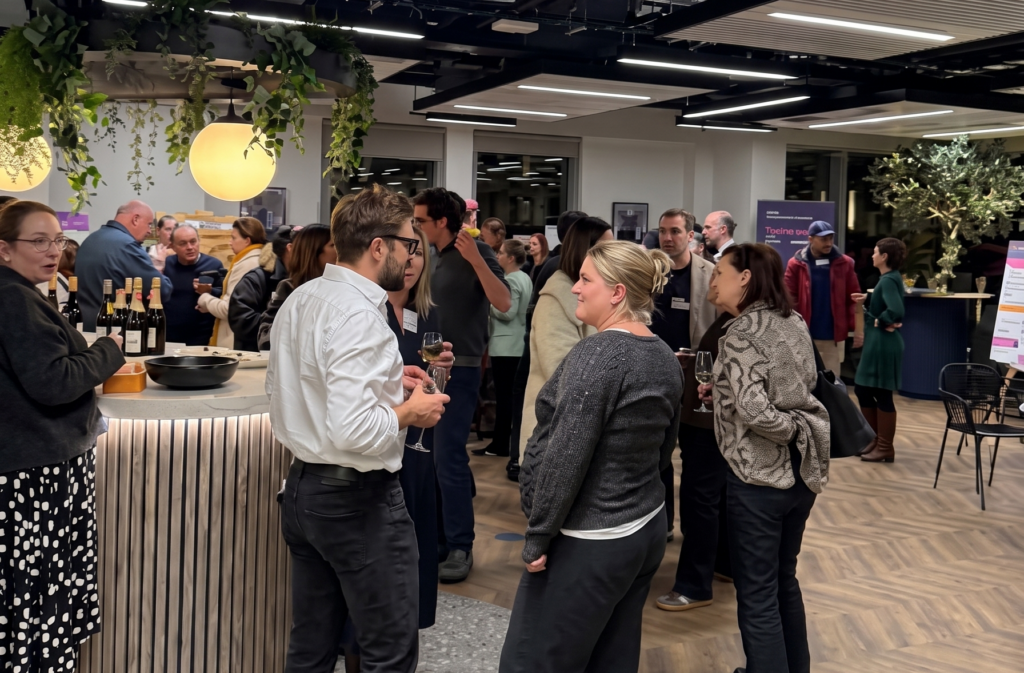
The event concluded with festive refreshments and networking, providing an opportunity for attendees to connect, and share experiences
ABIL’s mission is to raise awareness, promote best practice, campaign for better services, and educate professionals to improve brain injury support across London. The conference was a testament to the power of lived experience and the importance of ongoing advocacy in shaping the future of brain injury care.